Inheriting a garden sounds romantic until you stand in it with a pair of secateurs and realise the shrubs have been making strategic decisions without you.
The first job is not to redesign everything. The first job is to understand what you have, what is urgent, and what can wait.
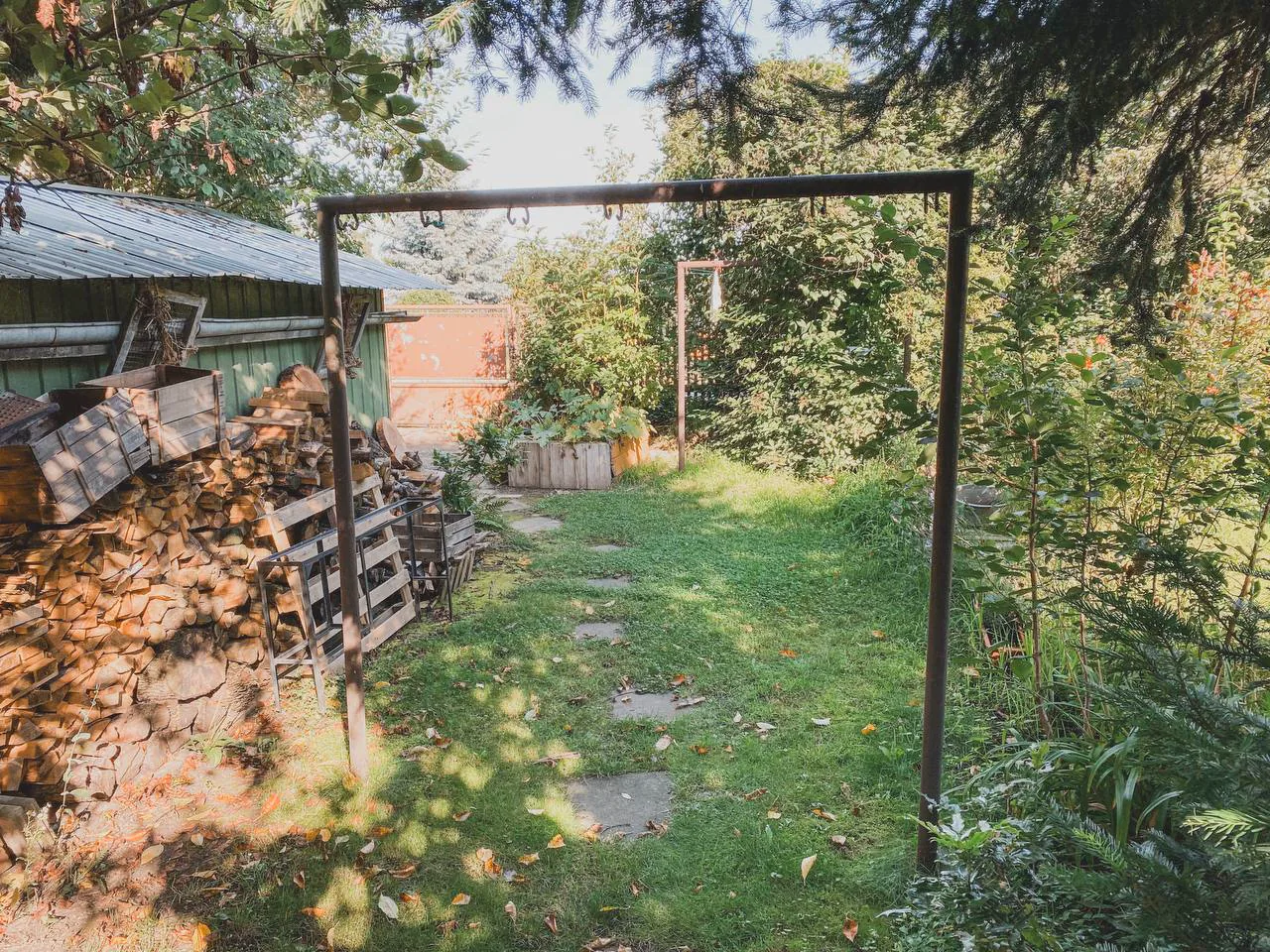
Walk the garden before changing it
Take one slow walk and photograph the garden from several fixed spots. Do not prune, pull, dig, or buy anything yet. A garden changes through the year, and the boring-looking clump in August may be the plant you like most in spring.
Record the basics:
- where the sun hits in the morning and afternoon
- which areas stay damp or dry out fast
- paths, steps, fences, sheds, compost, and water points
- trees, shrubs, beds, lawn, meadow, and bare soil
- anything unsafe, diseased, dead, unstable, or aggressively enthusiastic
This gives you a baseline. It also stops you from solving the wrong problem with great confidence, a human speciality.
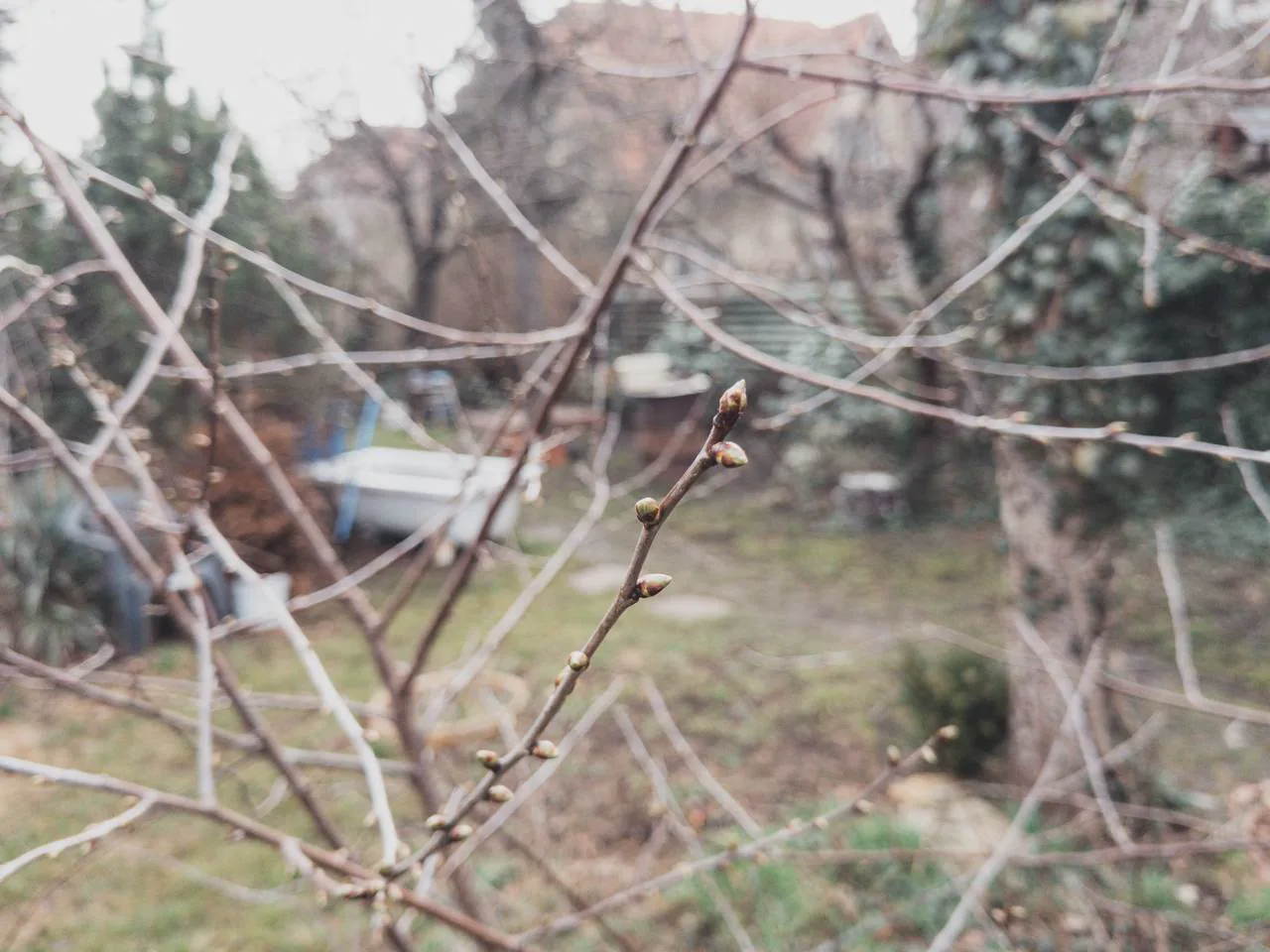
Fix safety and access first
Start with the things that can hurt people or block normal use of the garden.
Check for:
- loose branches over paths or seating areas
- broken steps, slippery paths, or hidden holes
- unstable fences, sheds, or old supports
- blocked drains or water collecting near buildings
- thorny growth covering gates, taps, or paths
These jobs are not glamorous, but they make the rest of the garden possible.
Leave mystery plants alone for a season
If you do not know what a plant is, mark it and wait if it is not causing damage. Many perennials disappear, return, flower briefly, or only make sense in a different month.
Use a simple rule:
- dangerous or invasive: act now
- obviously dead: remove when practical
- unknown but harmless: photograph, label, and observe
The first year is partly a survey. You are not failing because you do not know every plant name. The plants are not carrying ID cards. Very inconsiderate of them.
For a safe way to turn those mystery plants into useful records, see how to identify plants in an old garden.
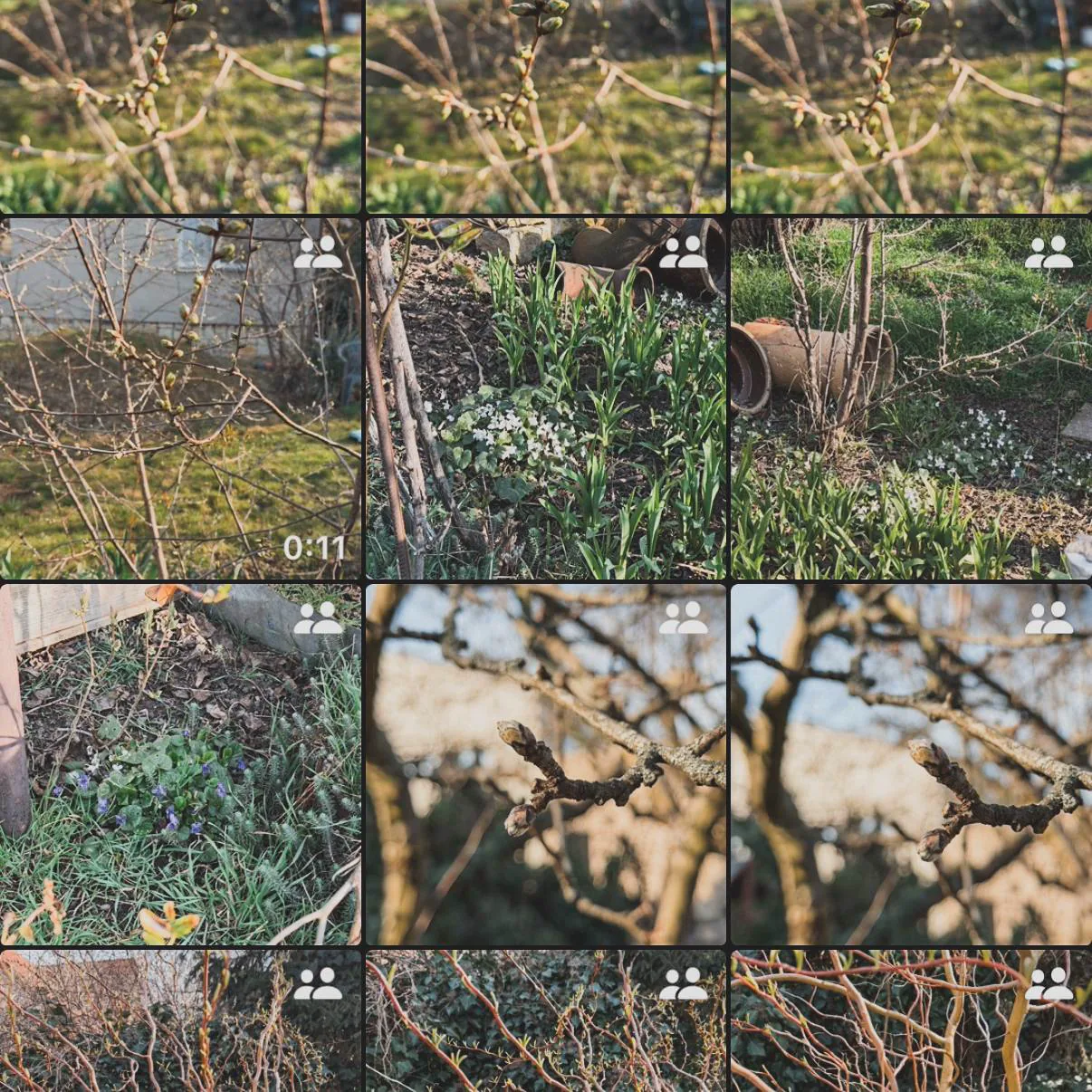
Make a first-year care plan
For the first year, aim for rhythm rather than perfection. Track what needs attention by season:
- spring: emerging perennials, early weeds, young growth, first pruning checks
- summer: watering stress, pests, mowing or meadow decisions, deadheading
- autumn: planting, mulching, leaf handling, tool cleanup
- winter: structure, tree shape, planning, and dormant-season pruning where appropriate
The spring garden checklist helps with the wider spring pass. If the garden includes fruit trees, use the fruit tree care calendar to map the year, and read when to prune apple trees before making substantial cuts to an apple tree.
Gardero is built for this kind of garden: real, specific, slightly confusing, and affected by local weather. It helps turn observations into seasonal reminders so the garden becomes manageable instead of mystical.
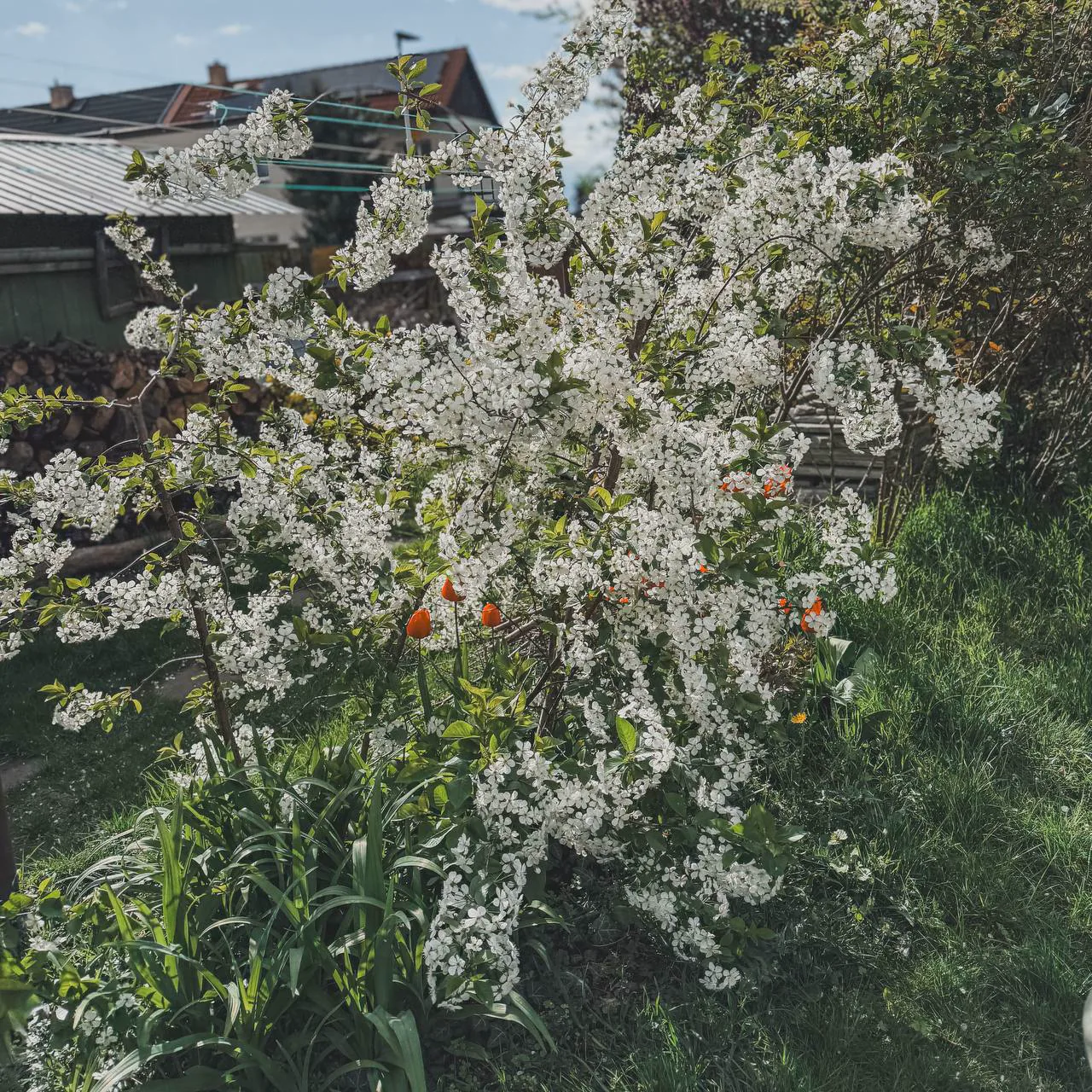
What to do this week
If you inherited a garden recently, do this before buying plants:
- Photograph the whole garden.
- Clear safe access to paths, gates, and water.
- List urgent safety or drainage issues.
- Mark unknown plants instead of removing them.
- Choose three small maintenance jobs, not twenty.
A garden becomes easier when you stop treating it like a one-week renovation project. It is a living system, not flat-pack furniture. Although, to be fair, some shrubs are assembled with similar hostility.