Most apple trees are pruned in winter, while they are dormant and leafless. That is the simple answer. The useful answer is slightly less tidy, because apple trees have varieties, ages, shapes, climates, and previous owners. Especially previous owners.
For most free-standing apple trees in UK and European home gardens with a cool or moderate winter, plan the main pruning between late autumn and late winter, usually from November to early March. If the tree is trained as an espalier, cordon, fan, or another restricted form, it may also need summer pruning, usually from late July through September depending on growth and local weather.
If you inherited an apple tree and do not know its history, start gently. A neglected tree can often be improved, but trying to fix ten years of pruning in one heroic afternoon usually produces a tree full of upright water shoots and regret.
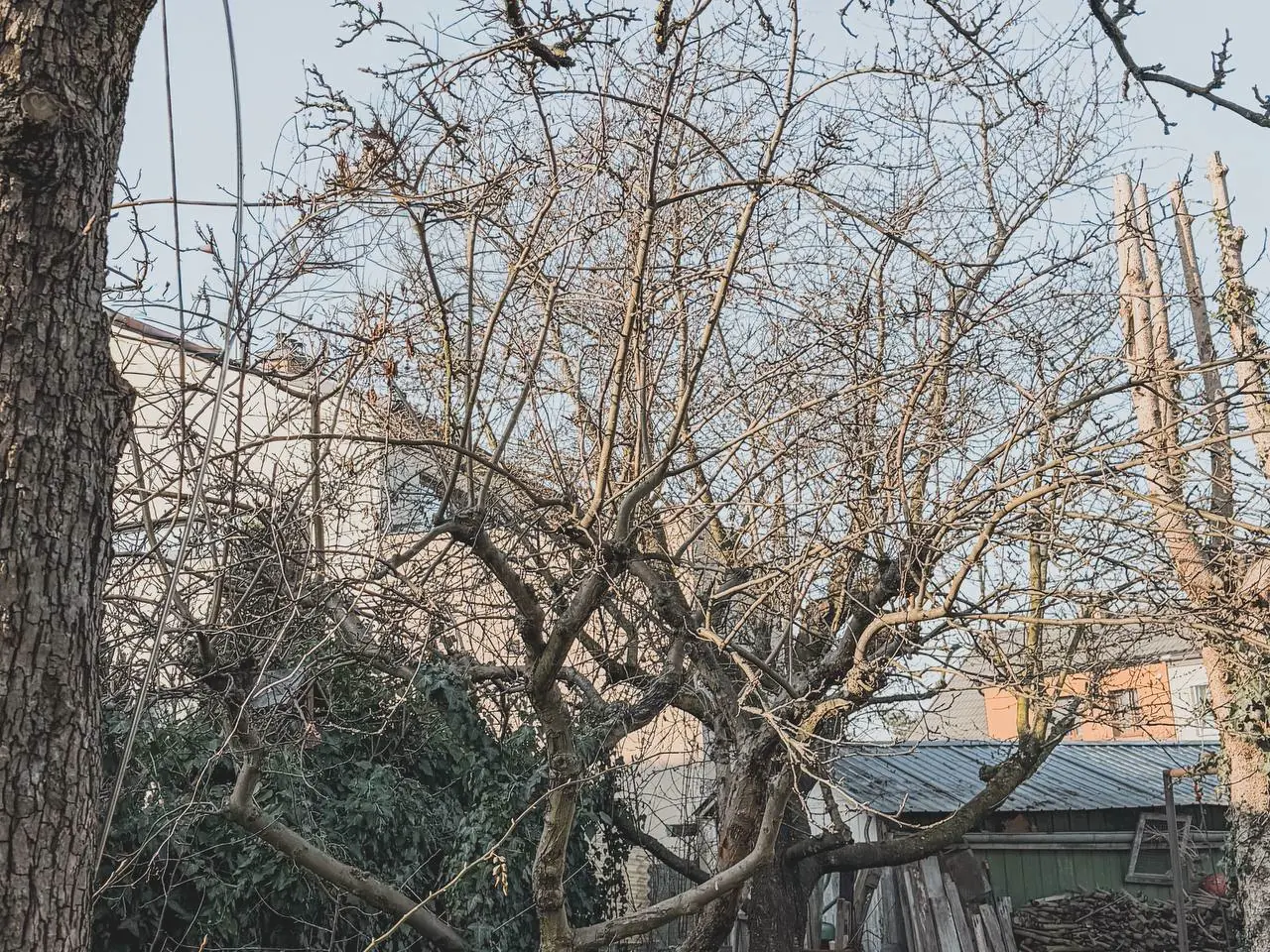
The best time for main apple tree pruning
For standard, bush, half-standard, and other free-standing apple trees, winter is the main pruning season.
The best window is when the tree is dormant and the leaves have fallen. In the UK and similar European climates, that usually means sometime between November and early March. Gardeners often prefer late winter because the coldest weather has usually passed, but the tree has not yet started strong spring growth.
Pruning in this window has three advantages:
- You can see the branch structure clearly.
- The tree responds with new growth in spring.
- It is easier to remove damaged, crossing, diseased, or congested wood before the growing season starts.
Avoid pruning during hard frost. Fresh cuts heal better when the wood is not frozen and brittle.
What winter pruning is for
Winter pruning is not about making the tree look neat. It is about light, air, structure, and fruit.
A good winter prune usually aims to:
- remove dead, damaged, or diseased wood;
- remove branches that cross and rub;
- open the centre of the tree so light and air can move through it;
- keep fruit within reach;
- encourage young, productive wood;
- reduce overcrowding without shocking the tree.
For many free-standing apple trees, the classic target shape is an open centre: a clear trunk, outward-growing main branches, and enough space inside the crown for light to reach the fruiting wood.
Do not shear the tree into a tidy blob. Apple trees are not hedges with ambitions.
Do not remove too much in one year
If the tree is old, tall, or badly neglected, spread the work over several winters.
As a cautious rule, avoid removing more than about a fifth of the branch structure in one year. Hard pruning can trigger a mass of vertical water shoots. These shoots often grow strongly but fruit poorly, which means you have created more work for yourself. Congratulations, the tree has filed a complaint.
A better first winter is usually:
- Remove dead, damaged, and diseased wood.
- Remove one or two obvious crossing or inward-growing branches.
- Step back and look at the shape before cutting more.
- Leave the rest for next year if you are unsure.
Old apple trees are often valuable even when messy. If they still crop, give them time.
When summer pruning makes sense
Summer pruning is mainly used for trained or restricted apple trees, such as espaliers, cordons, fans, pyramids, and other compact forms.
For these trees, summer pruning helps control size and lets more sunlight reach the fruit. The usual timing is when the lower part of the new shoots has become firm and woody. In practice, that often means mid to late August for apples, sometimes later in cooler areas, and sometimes September if the tree is still growing strongly.
Summer pruning can also be useful for removing water shoots, diseased growth, or damaged limbs when you notice them. That is not the same as doing the whole main prune in summer.
For ordinary free-standing apple trees, think of winter as the main pruning season and summer as light correction.
What not to prune at the wrong time
Before cutting heavily, try to understand whether your apple tree fruits on spurs or tips.
Most modern apple varieties are spur-bearing. They produce fruit on short, stubby shoots along the branches. Some older varieties are tip-bearing, which means fruit forms nearer the ends of shoots. If you cut back every shoot on a tip-bearing variety, you may remove much of next year’s crop. The tree will not send a thank-you note.
If you know the variety, check how it fruits before pruning. If you do not know the variety, prune more lightly until you can observe where flowers and fruit form during the season.
This matters especially in inherited gardens, where an old apple tree may be productive but unidentified.
A simple apple tree pruning calendar
Use this as a starting point, then adjust for your local climate and the tree in front of you.
November to early March: main pruning window
Use this period for the main structure work on free-standing apple trees. Choose a dry, mild day when the tree is dormant and the branch structure is visible.
Good jobs for this window:
- remove dead, damaged, and diseased wood;
- remove crossing branches;
- thin congested growth;
- reduce height gradually if the tree has become too tall;
- start renovating neglected trees in stages.
Late winter: often the safest moment
Late winter is often a good compromise. The tree is still dormant, but the worst cold may have passed. This is a practical time for many home gardeners to do the main pruning before spring growth begins.
Late July to September: summer pruning for trained trees
Use summer pruning for espaliers, cordons, and similar restricted forms. Wait until the base of new shoots feels firm and woody rather than soft and sappy.
For free-standing trees, keep summer pruning light. Remove water shoots, broken limbs, and diseased wood as needed.
Spring flowering and fruiting season: observe
Spring and early summer are useful for watching the tree, not cutting it heavily. Notice where flowers appear, where fruit sets, which branches look weak, and which parts of the canopy stay shaded.
Mark branches you may want to remove in winter. Future-you will appreciate the evidence. Future-you is normally under-supported.
The spring garden checklist covers the wider jobs that tend to compete for attention at this point in the year.
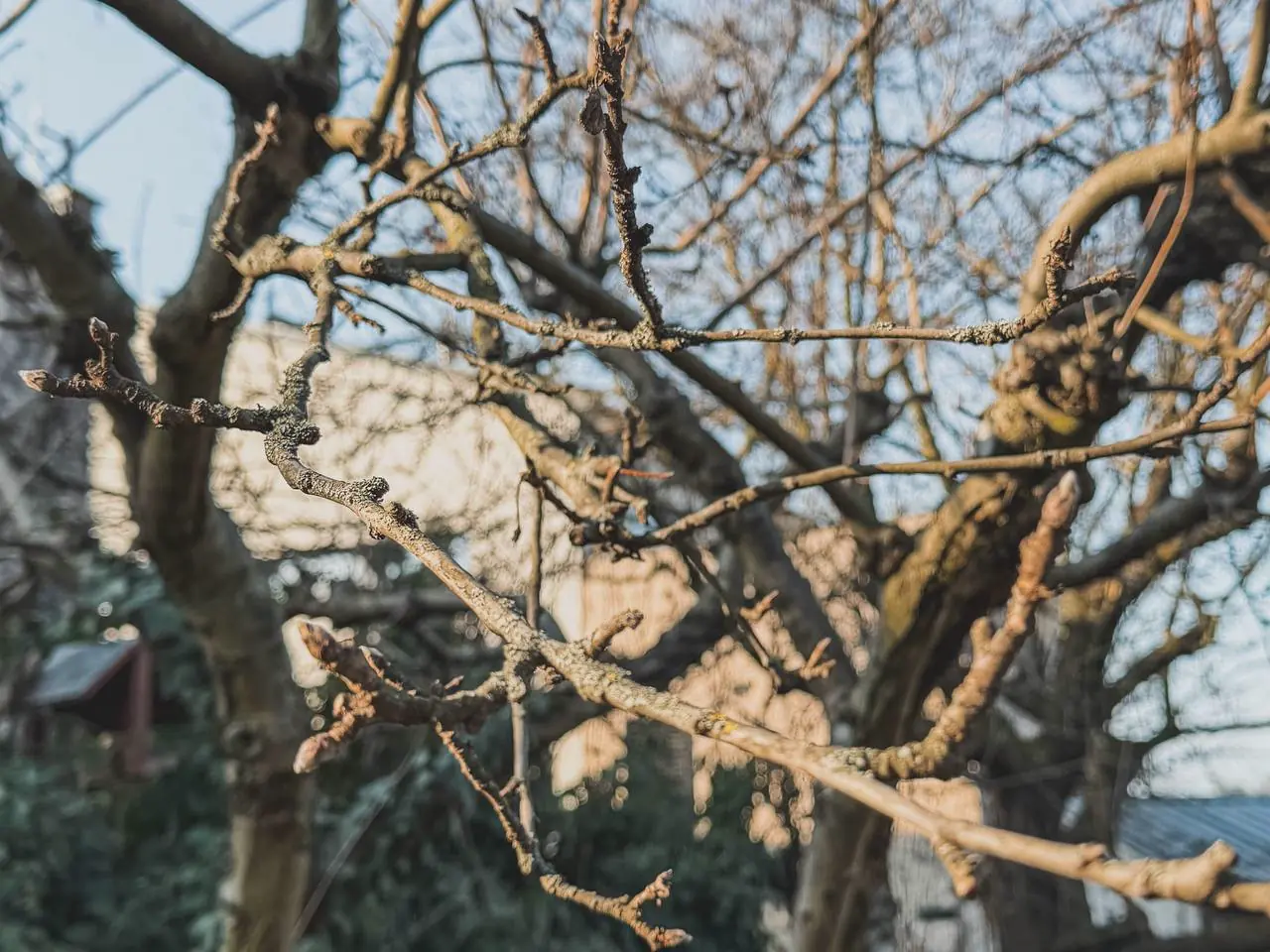
First steps if you inherited an old apple tree
If you have just taken over a garden, do not rush to reshape the apple tree immediately.
Start with this sequence:
- Take photos of the tree from several angles.
- Check whether it flowers and fruits during the year.
- Look for obvious dead, broken, rubbing, or diseased branches.
- Find out whether the tree is free-standing or trained.
- Prune lightly in the first winter.
- Keep notes for the next season.
If the tree is very large, unstable, badly split, or close to buildings, paths, or wires, ask a qualified arborist or experienced fruit-tree pruner before making major cuts. Ladders, saws, and overconfidence form a traditional but poor safety system.
For more first-year garden triage, read What to Do First in an Inherited Garden.
Common apple pruning mistakes
Pruning too hard all at once
Severe pruning often creates vigorous water shoots and delays useful fruiting. Renovate old trees over several winters.
Cutting every young shoot short
Some shoots may carry future fruit buds, especially on tip-bearing varieties. Identify the fruiting habit before making repetitive cuts.
Leaving the centre crowded
Dense crowns stay damp longer and shade their own fruit. Open the tree gradually so light and air can move through it.
Using blunt or dirty tools
Clean, sharp tools make cleaner cuts and reduce the chance of spreading disease. This is one of those boring details that matters because plants are inconsiderate about infection control.
Following a calendar without looking at the tree
A calendar gives you a window. The tree gives you the decision. Weather, variety, age, vigour, and local conditions all matter.
For the annual rhythm around apples, pears, plums, and cherries, use the fruit tree care calendar. Stone fruit follows different rules: sour cherry trees are generally pruned after harvest, rather than during the normal winter apple-pruning window.
How Gardero can help
Apple tree pruning is seasonal, but the exact reminder should depend on your garden, your climate, and the kind of tree you have.
Gardero is being built to turn your real plant list into practical seasonal reminders. For an apple tree, that could mean a winter pruning reminder, a summer check for water shoots, and notes from this year’s flowering and fruiting to guide next year’s cuts.
If your garden came with fruit trees, roses, berry bushes, and several plants nobody has confidently named yet, Gardero can help you build a care calendar around what is actually growing there.
Join the Gardero waitlist and start turning the garden into a plan you can follow.