Fruit trees rarely need constant attention. They need the right attention at a few important moments: while dormant, around blossom, as fruit develops, at harvest, and before winter.
This calendar covers apple, pear, plum, and cherry trees in UK and European gardens with cool or moderate winters. Use the months as a working window, not an appointment carved into stone. A late spring, a dry summer, or an exposed garden can move the work by several weeks.
If the trees came with an inherited garden and you do not know their varieties, start by recording when they flower, fruit, and drop their leaves. One season of notes will make next year’s calendar much more accurate.
The short version
For most established fruit trees, the year follows this rhythm:
- Winter: inspect structure; prune free-standing apples and pears; plant bare-root trees when conditions allow.
- Early spring: feed if needed, mulch moist soil, protect vulnerable blossom from forecast frost, and check supports.
- Late spring: watch pollination and fruit set; start regular watering for young trees during dry weather.
- Early summer: let the natural fruit drop finish, then thin crowded apples, pears, and plums.
- Mid- to late summer: harvest early fruit; prune established plums and cherries in dry weather; summer-prune trained apples and pears.
- Autumn: harvest and store suitable fruit, clear diseased or rotting material, and prepare young trees for winter.
The species matters. Apples and pears generally take their main prune while dormant. Plums and cherries are usually pruned during the growing season. Treating every fruit tree like an apple is an efficient way to create entirely avoidable problems.
January and February: inspect and prune dormant apples and pears
Leafless trees reveal their structure. Walk around each tree before cutting and look for dead wood, broken limbs, rubbing branches, congested growth, cankers, damaged stakes, and ties that are cutting into bark.
For free-standing apples and pears, winter is usually the main pruning period. Choose a dry, mild day, avoid hard frost, and aim to improve light, air, and branch spacing rather than force the tree into a decorative shape.
If an old tree needs major renovation, spread the work over several winters. Removing too much canopy at once can trigger vigorous upright water shoots and reduce useful fruiting. For apple-specific timing and technique, read When to Prune Apple Trees.
Do not winter-prune plums or cherries as if they were apples. Stone fruit is generally pruned when in active growth, when silver leaf and bacterial canker pose less risk.
Bare-root fruit trees can be planted during dormancy if the soil is neither frozen nor waterlogged. Water them in, secure them properly, and keep grass and weeds away from the young root zone.
March and April: feed, mulch, and watch the blossom
As buds swell, timing begins to depend more on the tree and weather than on the date.
Late winter or early spring is the usual time to feed fruit trees that need it. Do not feed automatically because a bag says “fruit tree” on the front. Check last year’s growth, crop, soil condition, and any signs of deficiency. Vigorous trees may need little or no extra nitrogen.
Apply organic mulch over moist, weed-free soil to conserve water and reduce competition. Keep it away from the trunk. Mulch piled against bark creates a damp collar where decay and pests can prosper, which is generous but unhelpful.
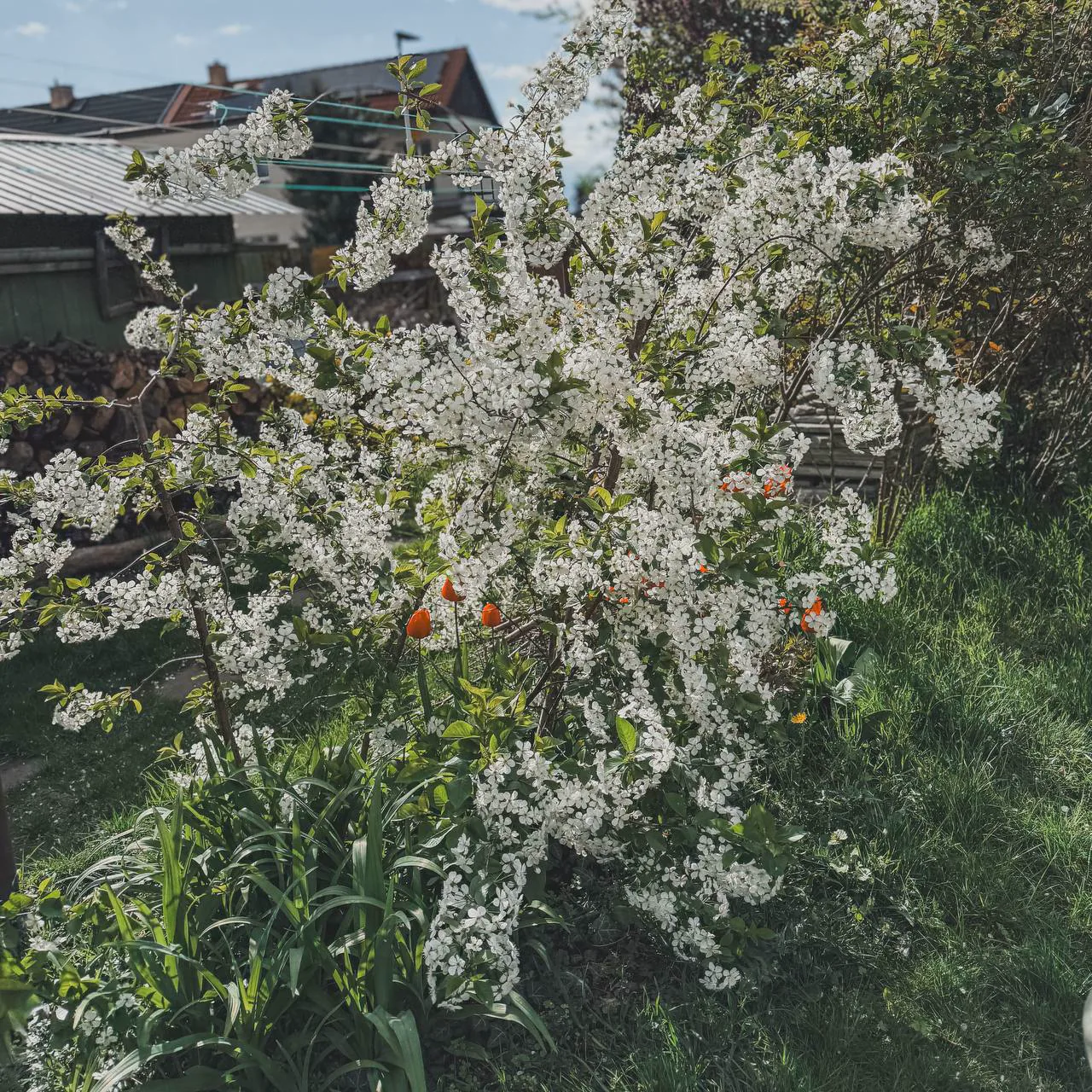
Blossom and newly opened buds can be damaged by frost even when the dormant tree itself is hardy. When a hard frost is forecast:
- cover small or wall-trained trees overnight with horticultural fleece;
- keep the covering off the flowers with canes or a frame;
- remove it during the day so pollinating insects can reach the blossom;
- accept that covering a large mature tree is usually impractical.
Check ties and supports on young or trained trees. Loosen anything constricting the trunk or branches, and repair supports before leaves and fruit add more weight.
May: watch fruit set and begin dry-weather care
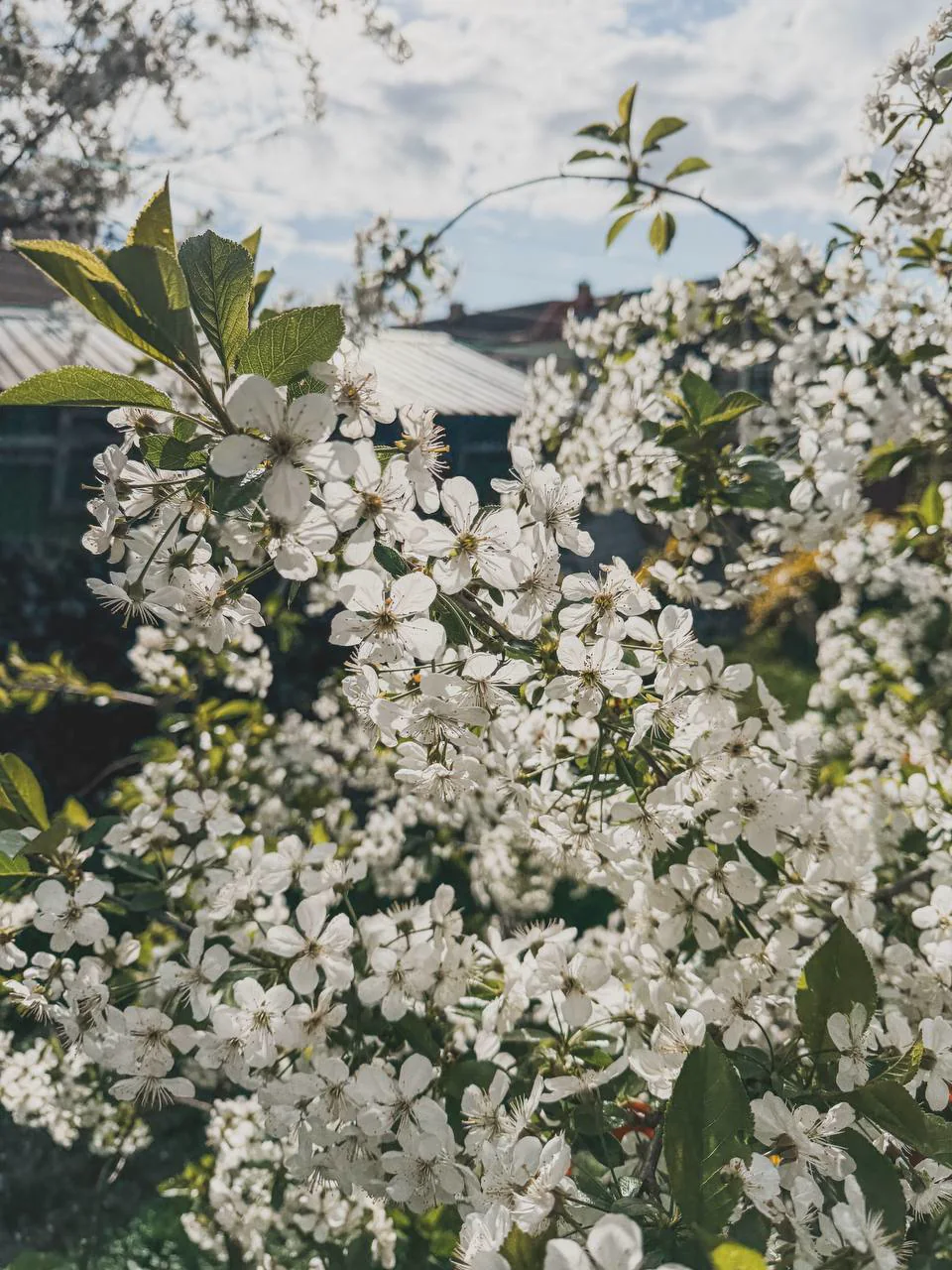
After flowering, look for small developing fruits. Poor fruit set can result from frost, cold or wet weather during blossom, poor pollination, lack of a compatible pollination partner, or the tree’s normal cropping pattern. Do not diagnose the problem from one disappointing week.
Young trees need particular attention during dry spells because their roots are still establishing. Water the root zone thoroughly rather than wetting only the surface. Trees in containers also need regular checks because pots dry much faster than open ground.
Established trees usually cope with ordinary weather, but prolonged drought while fruit is setting and swelling can reduce the crop. Grass and weeds compete strongly with young trees, so keep a clear, mulched area around them.
Start checking for:
- damaged or diseased shoots;
- aphid-distorted leaves;
- signs of canker or brown rot;
- fruit damaged by pests;
- branches beginning to bow under a heavy crop.
Remove mummified or rotting fruit and badly diseased material rather than leaving it on the tree or beneath it. Identify the problem before reaching for a treatment; many insects on fruit trees are harmless or useful.
June and early July: thin crowded fruit after the natural drop
Apples, pears, plums, and cherries commonly shed some young fruit in early summer. This natural “June drop” can look dramatic but is usually normal.
Wait until it has largely finished before deciding whether more thinning is needed. Then remove damaged, misshapen, crowded, or poorly positioned fruit first. Thinning can improve the size and quality of the remaining crop, reduce branch breakage, and lessen the risk of a heavy crop being followed by almost none the next year.
As a practical guide:
- leave one or two healthy dessert apples per cluster, with space between clusters;
- thin cooking apples more firmly if you want larger fruit;
- leave pears in small groups rather than dense bunches;
- thin heavily loaded plums and support branches that still carry too much weight.
Young trees should not be allowed to carry a large crop before they have built a sound root system and branch framework.
Continue watering young trees and trees in containers during dry weather. Check soil below the surface before watering; a damp top layer can hide dry soil around the roots.
July and August: harvest early fruit and prune stone fruit
Early cherries and plums may ripen in summer, followed by later varieties. Pick cherries only when ripe because they do not continue ripening after harvest. Protecting a reachable crop from birds may be necessary, but netting must be taut, securely fixed, and checked so wildlife cannot become trapped.
Established plum and cherry trees are generally pruned in summer, often after harvest and during a spell of dry weather. Remove dead, damaged, diseased, crossing, or badly placed branches, but avoid severe renovation in one session. Young stone-fruit trees may have different formative-pruning needs, so identify the tree’s age and intended shape first.
Trained apples and pears, including cordons and espaliers, are commonly summer-pruned once the lower parts of new shoots have become firm and woody. Free-standing apples and pears usually need only light summer correction, such as dealing with vigorous water shoots where appropriate.
Keep watching water demand. A mature tree may survive a dry spell, but fruit size and quality can still suffer. Newly planted trees remain the priority.
September and October: harvest, record, and store
Harvest time varies greatly by species, variety, site, and weather. Do not assume that all apples are ready because one red apple fell onto the lawn.
Useful signs include:
- the fruit has developed its expected colour and flavour;
- apples detach with a gentle lift and twist;
- pears have reached picking maturity for their variety, even if they finish ripening off the tree;
- plums soften slightly and taste ripe;
- late fruit is picked before damaging frost.
Handle storage fruit carefully. Bruised or damaged apples and pears should be eaten or processed first, not placed among sound fruit. Store only varieties suited to storage, keep them cool and well ventilated, and inspect them regularly.
Record what happened while it is still visible:
- flowering and harvest dates;
- heavy or poor crops;
- frost or drought damage;
- pest and disease problems;
- broken or overcrowded branches;
- which fruit stored well;
- pruning jobs to revisit later.
These notes are more useful than a generic calendar because they describe your trees in your garden.
November and December: clear problems and prepare for dormancy
Once leaves fall, clear rotting fruit and heavily diseased leaves from around the trees. Healthy leaves can usually be composted, but material affected by persistent disease may need different disposal under local guidance.
Inspect trunks and lower branches for damage. Check guards where voles, rabbits, or deer are a problem, but make sure guards are ventilated and not rubbing the bark. Remove forgotten ties, labels, or wire that could constrict growth.
Late autumn into winter is also a useful planting window for bare-root trees. Choose the site and rootstock for the tree’s mature size, not the size of the hopeful twig in the catalogue.
When apples and pears are fully dormant, their winter-pruning window begins again. Wait for suitable weather and use the notes you made during the growing season.
Adjust the calendar by species
Apples and pears
- Main pruning: winter for free-standing trees.
- Summer pruning: mainly trained forms; light correction where needed.
- Fruit thinning: after the early-summer natural drop if the crop remains crowded.
- Harvest: late summer through autumn, depending on variety.
Plums, gages, and damsons
- Main pruning: spring for young trees and summer for established trees; avoid dormant-season pruning.
- Fruit thinning: early summer if overloaded.
- Extra check: support branches under a heavy crop.
- Harvest: summer into early autumn, depending on variety.
Sweet and sour cherries
- Main pruning: during active growth, commonly after harvest in summer.
- Blossom: vulnerable to late frost.
- Fruit protection: birds often find the crop before you do.
- Harvest: pick fully ripe; timing varies from early to late summer.
Build a calendar around the tree, not only the month
A useful fruit tree reminder should prompt a check, not demand action regardless of conditions. “Inspect apple structure during dormancy” is better than “prune on 15 February.” The first works with the tree and weather. The second assumes both have accepted a meeting invitation.
Use the Spring Garden Checklist for the wider garden jobs that overlap with early fruit-tree care. If the trees are part of a garden you are still learning, What to Do First in an Inherited Garden explains how to observe before making permanent changes.
Gardero is being built to turn the plants in your garden into seasonal reminders adjusted to local conditions. For fruit trees, that can mean separate prompts for dormant pruning, blossom frost, thinning, watering, summer pruning, harvest, and winter inspection instead of one vague annual task called “sort out trees.”
Sources used for horticultural review
- Royal Horticultural Society: fruit tree feeding and mulching
- Royal Horticultural Society: fruit thinning
- Royal Horticultural Society: protecting fruit from frost
- Royal Horticultural Society: growing apples
- Royal Horticultural Society: growing plums
- Royal Horticultural Society: growing cherries
- Royal Horticultural Society: harvesting fruit