Spring is when the garden starts making demands again. Some are urgent. Some can wait.
This checklist is for real outdoor gardens: fruit trees, berry bushes, roses, perennials, lawns, beds, hedges, containers, and plants you have not identified yet. It is especially useful if you inherited a garden and are still learning what grows where.
Use it as a calm first pass. You do not need to fix the whole garden in one weekend. You need to notice what has changed, deal with urgent problems, and avoid doing the right job at the wrong time.
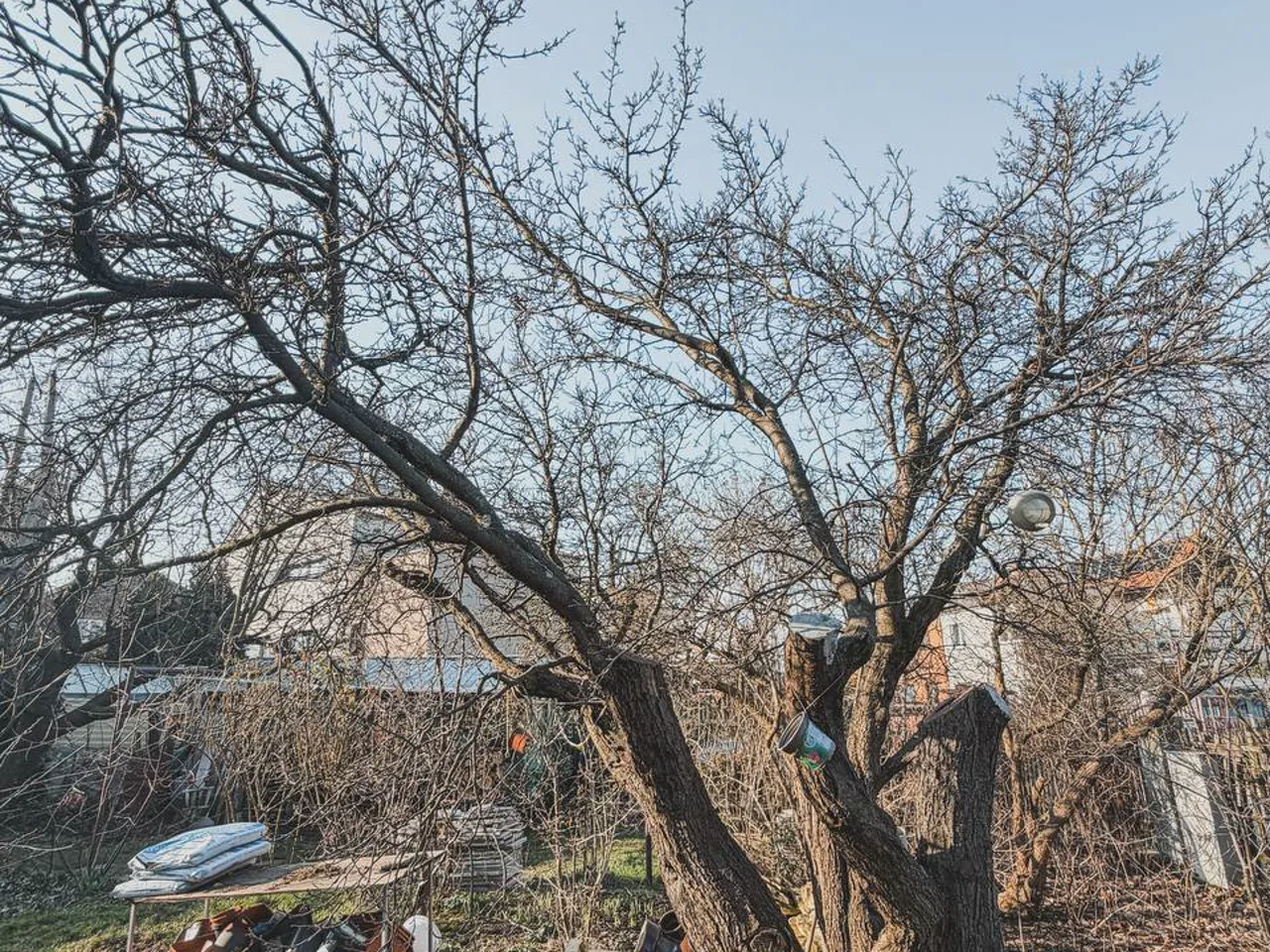
1. Walk the garden before doing anything
Start with inspection, not action. Take a slow walk and look for:
- winter damage;
- broken branches;
- frost cracks;
- leaning supports;
- waterlogged areas;
- dead plants;
- early weeds;
- signs of pests or disease;
- plants beginning to bud;
- paths, steps, gates, and drains that need attention.
Photograph the garden from a few fixed points. If this is your first spring with the garden, those photos will help you compare growth through the year and remember what was there before everything turned green and confusing.
Do not start by cutting everything down. Many perennials look dead before they wake up. Wait until you can tell what is dormant and what has actually died.
If you are dealing with an inherited garden, start with the same calm approach in what to do first in an inherited garden. Spring adds urgency, but the basic rule stays the same: observe before making permanent decisions.
If a plant still has no name, how to identify plants in an old garden gives you a safe, repeatable way to record it before you weed, move, or prune it.
2. Remove obvious winter damage
Deal with broken, dangerous, or smothering material first.
Prioritise:
- branches hanging over paths, seating areas, greenhouses, or sheds;
- cracked limbs that may fall;
- dead stems that are clearly detached, rotten, or collapsing;
- plant supports that failed over winter;
- wet leaves or debris covering emerging shoots;
- containers that cracked or tipped over;
- anything blocking drains or water flow.
If you are unsure whether a woody stem is alive, scratch a tiny patch of bark with your thumbnail or a clean knife. Green beneath the bark usually means the stem is alive. Dry brown tissue may mean it is dead. Check more than one point before cutting a whole plant back.
For large trees, heavy limbs, or anything near buildings and cables, use a qualified arborist.
3. Check fruit trees by species
Spring fruit tree care depends on the tree, the climate, and how far growth has already moved.
For apple and pear trees, late winter or very early spring may still be suitable for main pruning in cooler European gardens, if the tree is dormant and severe frost has passed. Once strong growth begins, keep pruning lighter unless you know exactly what you are doing.
For cherries, sour cherries, plums, and other stone fruit, avoid treating them like apples. Many stone fruits are usually pruned in the growing season rather than deep winter, partly to reduce disease risk. The exact timing depends on the species and local conditions.
A useful rule: do not prune every fruit tree the same way just because they all have branches.
If you have apple trees, read when to prune apple trees before making large cuts. Old or neglected trees usually respond better to gradual work over several seasons than to one heroic afternoon with a saw.
For the wider sequence of fruit-tree jobs through the year, see the fruit tree care calendar.
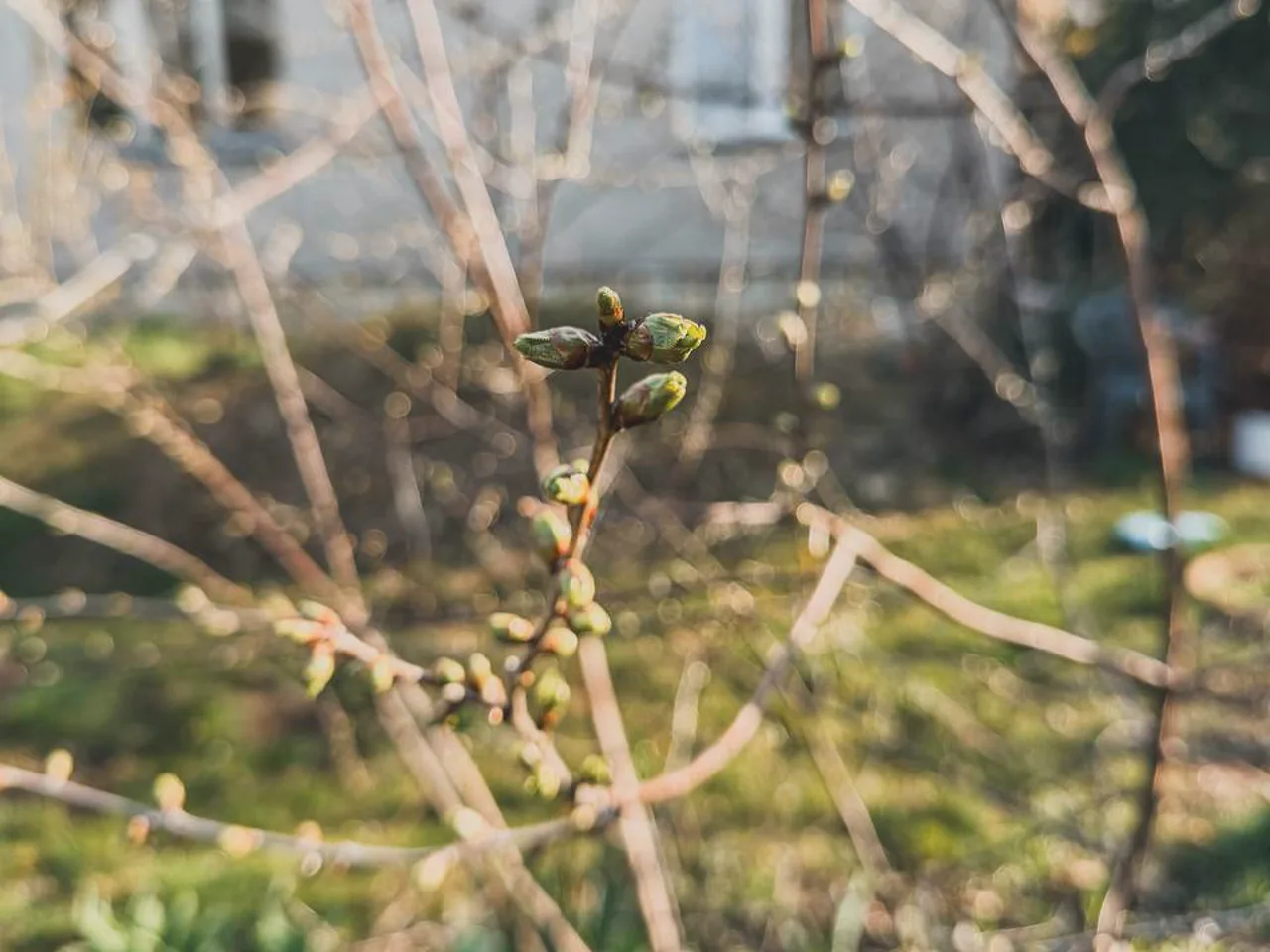
4. Clean around berry bushes
Berry bushes often benefit from early attention because weeds and grass start competing quickly in spring.
Check around:
- currants;
- gooseberries;
- raspberries;
- blackberries;
- blueberries;
- hybrid berries.
Remove weeds from around the base, clear dead leaves that are smothering new shoots, and check whether old stems need removing. Be careful with raspberries and blackberries: pruning depends on whether they fruit on first-year or second-year canes. If you do not know which type you have, observe this season before making dramatic cuts.
For currants and gooseberries, remove dead, broken, diseased, or badly crossing wood first. Leave more complicated renewal pruning until you have identified the plant and its growth habit.
5. Wake up roses carefully
Roses are often pruned in late winter or spring, but timing depends on the rose type and your local weather.
As a general guide, prune when the worst frost has passed and buds are beginning to show activity. Remove:
- dead wood;
- weak stems;
- damaged growth;
- crossing stems;
- stems growing into the centre where airflow is poor.
Do not use one pruning style for every rose. Shrub roses, climbing roses, rambling roses, and hybrid teas are managed differently. If the rose is old and you do not know its type, start by removing dead and damaged wood, then watch how it grows and flowers.
6. Cut back perennials only where needed
Old perennial stems can protect crowns, mark where plants are, and support wildlife through winter. In spring, cut them back when new growth begins and the weather is settling.
Work gently around emerging shoots. If you cannot see the crown clearly, use secateurs rather than a rake. A rake can pull up new growth before you notice it.
Spring can also be a good time to divide some overcrowded perennials, but not all of them want the same treatment. If a plant is flowering in spring, wait until after flowering or check its specific needs before lifting it.
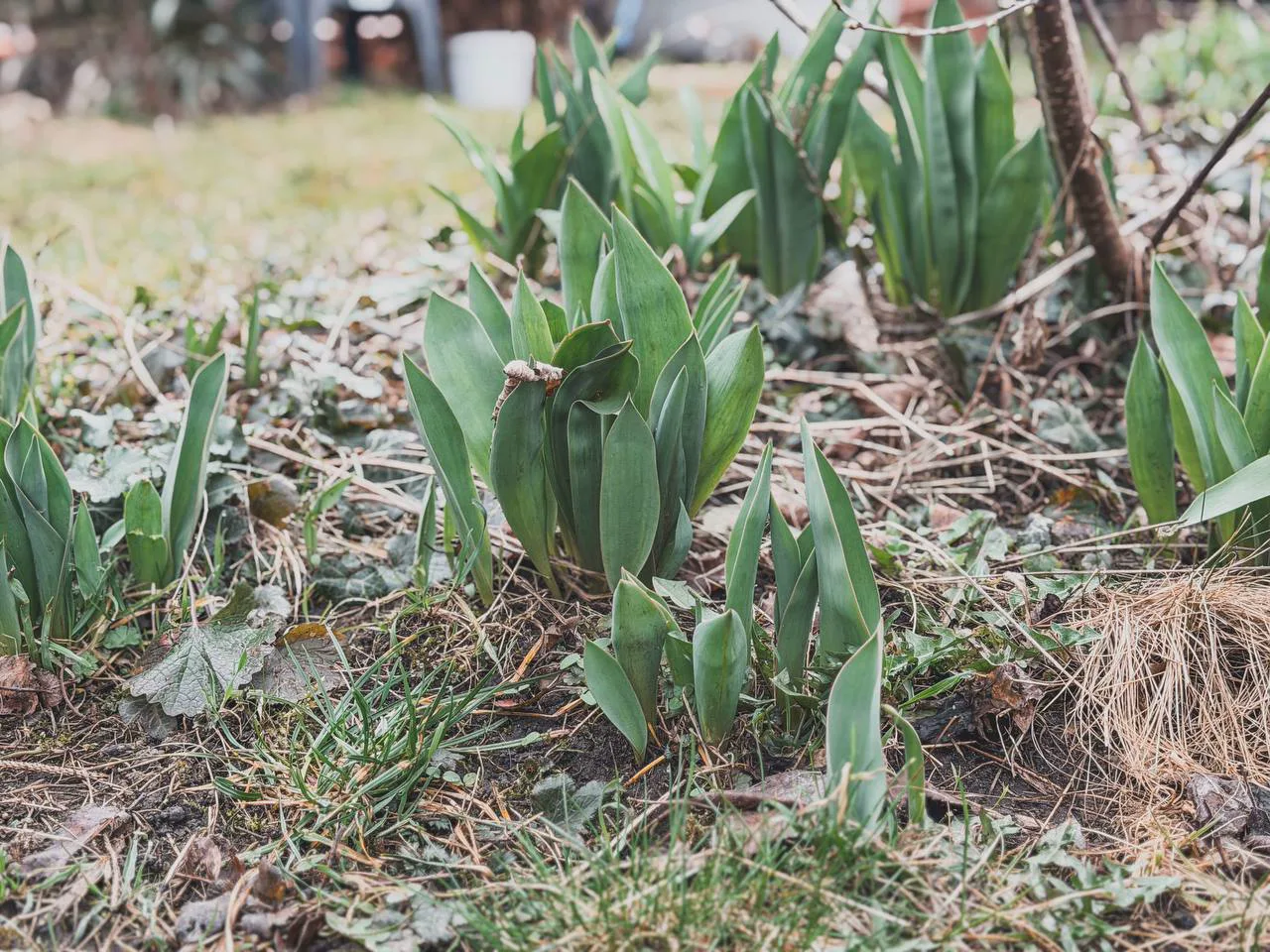
7. Weed early, while the job is still small
Early weeding saves work later. Focus on:
- perennial weeds returning from roots;
- weeds setting seed;
- weeds around young plants;
- weeds competing with fruit bushes;
- weeds in vegetable beds;
- weeds growing through paths and gravel.
Small weeds are easy. Large weeds take over quickly.
Try to remove roots of persistent weeds where possible. For annual weeds, hoeing on a dry day can be enough. Avoid deep digging around shallow-rooted shrubs, bulbs, and perennials unless you know what is below the surface.
8. Feed and mulch where it makes sense
Spring is a good time to improve soil around hungry plants, but do it with some restraint.
Mulch helps retain moisture, reduce weeds, and improve soil structure. Use suitable organic material such as compost, leaf mould, bark, straw, or well-rotted manure depending on the bed and plants.
Keep mulch away from direct contact with tree trunks and woody stems. Piling mulch against bark can encourage rot and pests.
Feed plants that need it, such as roses, fruit bushes, containers, and productive beds. Avoid feeding everything automatically. Rich soil and lush growth are not always the goal, especially for Mediterranean herbs, wildflower areas, or plants that prefer leaner conditions.
9. Check watering and dry spots
Even in spring, some parts of the garden dry out quickly.
Check:
- newly planted trees and shrubs;
- raised beds;
- containers;
- sandy soil;
- south-facing beds;
- plants under roof overhangs;
- windy corners;
- areas near thirsty hedges and mature trees.
Water deeply when needed rather than sprinkling lightly every day. A surface sprinkle often evaporates or encourages shallow roots. Newly planted woody plants need more attention than established shrubs and trees, especially during dry spring weather.
If you use irrigation, test it before hot weather arrives. A broken hose is easier to fix before the garden is already dry.
10. Look after the lawn without rushing it
Lawns often look tired after winter. Start gently.
Rake out heavy debris, leaves, and loose moss if the grass is actively growing and the soil is not waterlogged. Repair bare patches once temperatures are suitable for seed germination. Avoid heavy traffic on wet soil, which compacts the ground and makes drainage worse.
For the first mow, set the mower higher than usual. Cutting very short early in the season weakens grass and gives weeds more opportunity.
If part of the lawn is always wet, shaded, or thin, do not keep fighting it without asking why. The problem may be drainage, shade, compaction, or the fact that the site would rather be a planting bed.
11. Start a seasonal plan
Spring feels urgent because everything starts at once. A short plan helps you separate real tasks from garden panic.
Write down:
- what must be done now;
- what can wait until late spring;
- what belongs in summer;
- what should be watched for a full season;
- which plants still need identification;
- which jobs are too large or unsafe to do yourself.
A garden calendar helps, but fixed dates are only a starting point. Local weather matters. A cold March and a warm March do not produce the same garden.
For a broader approach, plan the year around what is growing in your garden and what your local weather is actually doing, not only around fixed calendar dates.
Spring garden checklist summary
Use this as your quick pass:
- Walk the garden and take photos.
- Remove dangerous or obvious winter damage.
- Check fruit trees by species before pruning.
- Clean weeds and debris around berry bushes.
- Prune roses only at the right local moment for the rose type.
- Cut back perennials carefully as new growth appears.
- Weed early, before small problems become large jobs.
- Mulch and feed where plants actually need it.
- Check watering, dry spots, and irrigation.
- Start a seasonal plan instead of trying to solve the whole year in one weekend.
A calmer way to manage spring garden care
Spring gardening gets easier when tasks are tied to your plants and local conditions, not to generic dates copied from somewhere with different weather.
Gardero is being built to turn seasonal garden care into clear reminders for the plants in your garden, timed to your climate. That means apple trees, berry bushes, roses, lawns, perennials, and the parts of the garden you are still figuring out.